
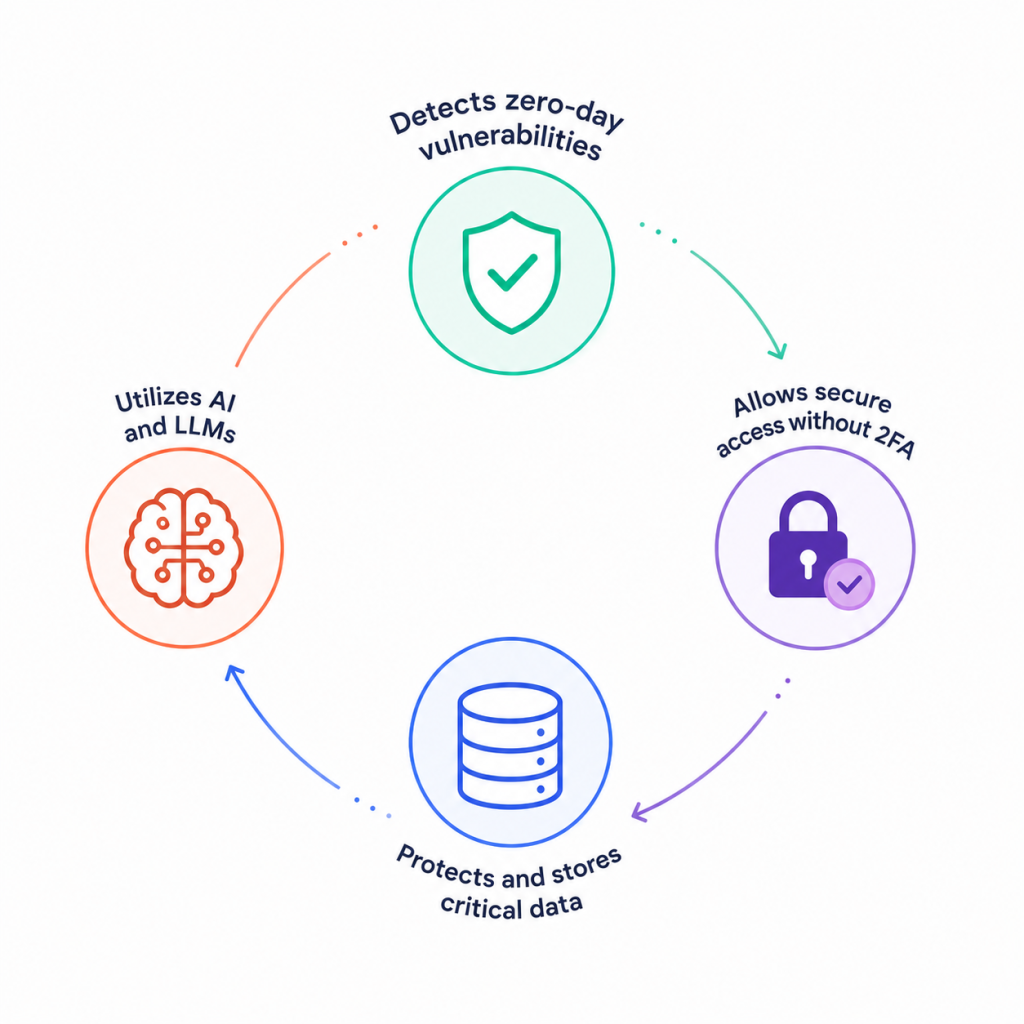
For the first time, Google’s Threat Intelligence Group has confirmed a real-world case of hackers using AI to discover and weaponize a zero-day vulnerability — catching the attack before it could be used to bypass two-factor authentication on a widely deployed web management tool.
What tipped them off:
- The attack was designed to let an unauthorized user skip past two-factor authentication entirely. Google worked directly with the affected company to neutralize it before damage was done.
- Investigators flagged the exploit based on tells that human-written attack code rarely shows: unusually clean, polished structure, extensive explanatory notes, and a fabricated severity score — a calling card that pointed squarely to AI authorship.
- GTIG’s John Hultquist described the discovery as just the surface of a much deeper problem. Anthropic’s Rob Bair framed the window defenders have left even more starkly — warning the advantage is measured in months, not years.
- Google’s broader threat report catalogued additional AI-assisted attacks, including tools that allow AI to remotely commandeer devices, and AI-generated malicious code and prompt injections traced to operators in North Korea and Russia.
Why it is important: We’ve seen glimpses of what AI can do on the defensive side of cybersecurity. The problem is that offensive capabilities are closing the gap faster than most institutions are prepared for. The next wave of AI model releases won’t just push the frontier for researchers and enterprises — it’ll hand a meaningful upgrade to attackers too. For the vast majority of systems still operating without modern security infrastructure, that’s not a distant risk. It’s an incoming one.